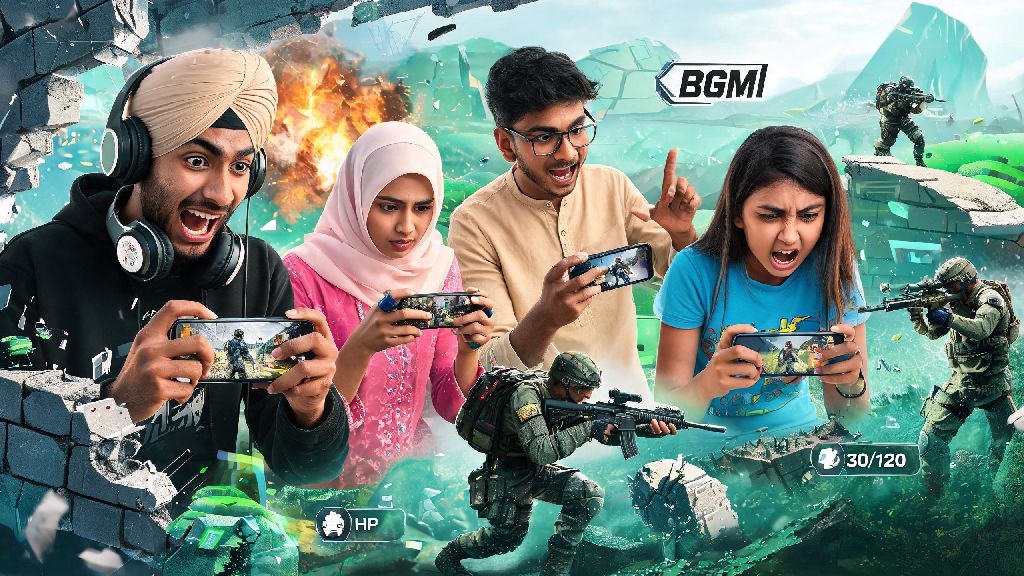
If you’ve spent any time playing mobile battle royales in India, you’ve almost certainly logged a few hours running, gunning, and chasing chicken dinners in BGMI. The game has amassed more than 100 million downloads since its initial launch, becoming a staple of the Indian mobile gaming scene almost overnight. It regularly tops app store download charts, boasts millions of daily active users, and even has its own professional esports league for competitive players. Even with its massive popularity, many casual players still don’t know who developed BGMI, or the unique context that led to the game’s creation for Indian audiences specifically.
Who Developed BGMI, Exactly? Breaking Down the Core Team
The short answer is that BGMI is developed and published by Krafton’s Indian subsidiary, a dedicated arm of the South Korean game development giant that created the original PUBG franchise. Krafton first rose to global fame in 2017 when it released PlayerUnknown’s Battlegrounds for PC, which went on to spawn the mobile version that dominated Indian gaming markets until 2020. When PUBG Mobile was banned in India over data privacy concerns, Krafton knew it had to build a completely custom version of the game to re-enter the market.
The core development team for BGMI combines global game design experts from Krafton’s headquarters in Seoul with local Indian developers, compliance specialists, and cultural consultants. Local regulatory compliance was the top priority from day one, so the team worked closely with Indian government bodies to make sure every part of the game met local rules for data safety, content, and responsible gaming. The team didn’t just copy and paste existing PUBG Mobile code either; they rebuilt large parts of the game’s backend to fit Indian requirements, a process that took nearly 10 months of testing and iteration before launch.
You won’t find any third-party publishers or unaffiliated Indian companies involved in the core development process, contrary to what some online rumors might claim. Krafton retains full control over all updates, feature releases, and policy changes for BGMI, with input from its local Indian team to guide decision-making.
The Context Behind BGMI’s Development: Why a Separate Indian Version Was Needed
When PUBG Mobile was banned in India in September 2020, it left a gaping hole in the country’s gaming ecosystem. More than 175 million Indian users played the game regularly at the time of the ban, and thousands of content creators and esports players relied on it for their livelihoods. Krafton didn’t want to abandon that huge user base, but it also knew it couldn’t just re-release the same game without making significant changes to address government concerns.
The biggest roadblock to bringing PUBG Mobile back to India was data localization requirements that mandated all user data for Indian players be stored on servers located within the country. The original PUBG Mobile stored user data on global servers operated by a third-party Chinese company, which was the primary trigger for the ban. Krafton had to build an entirely new server infrastructure for BGMI hosted exclusively on Indian cloud providers, a project that required millions of dollars of investment and months of security testing.
Beyond regulatory requirements, the development team also wanted to build a game that felt tailored specifically for Indian players, rather than a generic global product adapted for the market. Some of the key custom changes the team built into BGMI include:
How BGMI’s Development Team Differs From the Team Behind PUBG Mobile
While both BGMI and PUBG Mobile are owned and developed by Krafton, their core development teams operate almost independently of each other, with different priorities and roadmap plans. 20% of the core BGMI development team is based in India as of the latest company reports, including game designers, community managers, and compliance experts who live and work in the country. That’s a huge difference from the PUBG Mobile team, which is almost entirely based in South Korea and China, with very little local input for specific regional markets.
This local presence means the BGMI team can respond much faster to feedback from Indian players than the global PUBG Mobile team can. For example, when thousands of Indian players requested a cricket-themed game mode ahead of the 2023 IPL, the BGMI team built and released the mode in less than two months, a turnaround that would have taken the global team six months or more. The team also runs regular community meetups in cities like Mumbai, Delhi, and Bangalore to get in-person feedback from casual and competitive players, and they prioritize requests that come directly from the Indian community over global feature rollouts.
You’ll also notice that BGMI often gets features months before they roll out to global PUBG Mobile users, including custom desi character skins, local language voice lines for Hindi, Tamil, Telugu, and Bengali, and regional esports tournament integration. The team doesn’t just follow the global PUBG Mobile roadmap; it builds its own feature schedule based on what Indian players actually want to see in the game.
Common Myths About BGMI’s Development, Debunked
With a game as popular as BGMI, it’s no surprise that lots of false rumors about its development have spread across social media and gaming forums. We’re breaking down the most common ones to set the record straight.
First, the myth that BGMI is developed by a random Indian company with no ties to Krafton is completely false. Krafton owns 100% of the BGMI intellectual property, and all core development work is overseen by its global team, with support from its Indian subsidiary. There are no third-party Indian developers with access to the game’s core code or control over its updates. Another common myth is that BGMI is just a reskinned PUBG Mobile with no real changes, which we already debunked earlier – the game has a completely separate backend, custom features, and a dedicated development team that builds content specifically for Indian users.
Many players also claim the BGMI development team doesn’t listen to user feedback, but that couldn’t be further from the truth. The team publishes transparent monthly feedback reports that highlight the top requests from players, and note which ones are being worked on for future updates. They also run public beta tests for new features with thousands of Indian players before rolling them out widely, to catch bugs and adjust based on early feedback. The only time they reject player requests is when a feature would violate Indian regulatory rules, or would require changes that break the game’s core balance for all users.
One final myth worth debunking is that BGMI is less secure than the global PUBG Mobile version. In reality, BGMI has extra security layers that the global version doesn’t have, including end-to-end encryption for all user data, regular security audits by Indian third-party firms, and strict controls to prevent data from being shared outside the country. It’s actually far more secure for Indian users than the original PUBG Mobile ever was.
At the end of the day, BGMI’s success is directly tied to the care and attention its development team has put into building a game that fits the unique needs of Indian players. It’s far more than a simple re-release of an existing title, with years of work from both global and local teams to get it right. Next time you queue up for a match, you’ll have a clear answer to who developed BGMI, and the context that makes the game such a standout in the mobile gaming space. If you want to stay up to date on future BGMI updates, keep an eye out for announcements directly from the development team, they often drop hints about new features weeks before they go live.