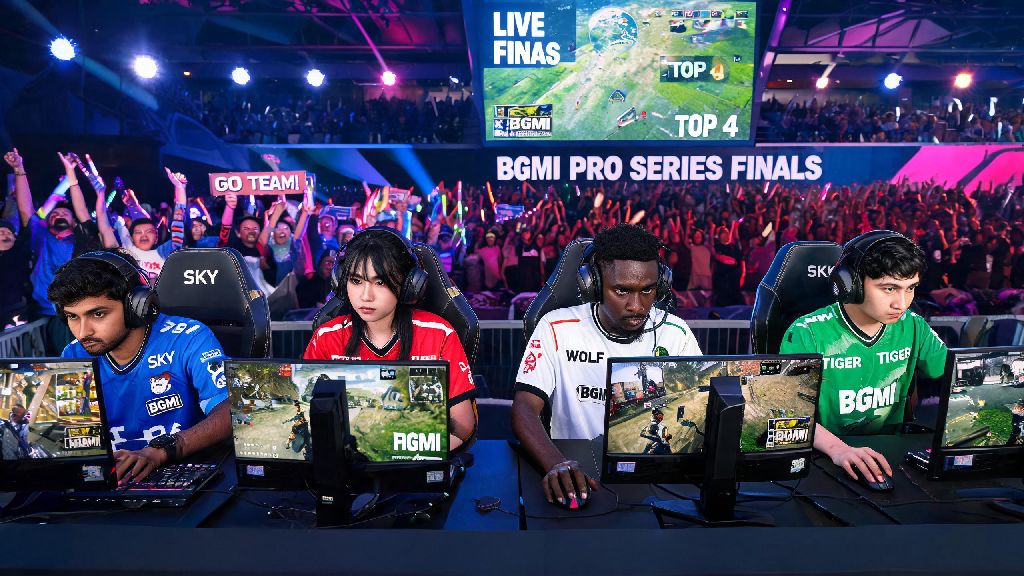
If you’ve spent any time scrolling BGMI esports clips on your feed or tuning into official tournament streams after work, you’ve probably asked the question: who is the best BGMI player in the world. The answer isn’t as straightforward as you might think, because different players excel in different roles, from aggressive fraggers to calm in-game leaders who carry their teams to win after win. We’ve spent months reviewing tournament data, watching hundreds of pro match replays, and talking to active BGMI competitive players to break down the top contenders, what makes them stand out, and how you can pick up tricks from their playstyles to improve your own game.
What makes someone the best BGMI player in the world?
To avoid biased or arbitrary picks, we set clear, widely accepted metrics for ranking pro BGMI players instead of just going off social media popularity or one viral clip. These metrics are used by BGMI esports coaches and tournament organizers to rank players for official awards, so they’re far more reliable than random fan polls. The core factors we used include:
We didn’t just look at overall K/D ratios either, because a support player who consistently revives teammates and calls correct rotations will often have a lower K/D than an entry fragger, but is just as valuable to their team’s success. Many casual fans make the mistake of only counting kill counts when ranking players, but that ignores half of what makes a great BGMI pro stand out. A player who gets 10 kills but makes a bad call that gets their whole team eliminated is less valuable than a player who gets 4 kills and leads their team to a first-place finish.
Top 3 contenders for the best BGMI player title
Based on our metrics, three players stand out far above the rest of the pro scene, each with a strong claim to the top spot. The first is Jonathan Amaral, who plays for Godlike Esports as an entry fragger. I’ve watched Jonathan pull off 1v4 clutches in three separate grand finals over the last year, and each time he makes it look almost effortless, even when he’s low on health and out of utility. Latest tournament data shows his clutch success rate sits at over 60%, and he’s finished in the top 5 for overall kills in every official event he’s played in the last 18 months. His signature close-quarters spray control is so widely admired that even other pro players practice his techniques to improve their own aim.
The second contender is Tanmay “Scout” Singh, a veteran pro and in-game leader for Team XSpark. What makes Scout stand out isn’t his kill count, though he still puts up solid numbers, but his unmatched ability to read the zone and make split-second calls that win matches. His team has finished in the top 3 of 70% of the tournaments they’ve entered in the last year, and other pro players regularly cite his decision-making as the best in the entire BGMI esports scene. He also does a great job of nurturing new talent on his team, which adds to his legacy beyond just match wins.
The third contender is Vivek “Clutchgod” Aabhas, who plays for Team Soul as a flex player. His name says it all: he’s widely regarded as the best clutch player in BGMI history, with a 72% win rate in 1v2 endgame scenarios per latest official stats. He’s carried his team to at least four grand final wins in the last year when all three of his teammates were eliminated early, and he’s famous for staying completely calm even when the entire lobby is targeting him. If you value the ability to perform when all odds are against you, Clutchgod is probably your pick for the best player in the world.
Common misconceptions about ranking BGMI pro players
There are a lot of bad takes online about how to rank BGMI pros, and most of them come from people who only watch short clip compilations instead of full tournaments. One of the most common mistakes people make is assuming solo ranked stats translate to pro play. Solo ranked performance has almost no overlap with pro tournament success, because pro matches are all 4v4, with coordinated teams, custom maps, and strict rules that don’t apply to public ranked lobbies. A player who can hit Conqueror rank solo might struggle to even qualify for pro tournaments if they can’t work with a team.
Another big misconception is that the player with the most social media followers is the best. A lot of popular BGMI content creators are great at entertaining fans with funny moments or trick shots, but they don’t compete in official pro tournaments, so they can’t be ranked against full-time pro players who practice 8 hours a day and play against the best competition in the world. There’s nothing wrong with liking a content creator more than a pro player, but it’s important to separate entertainment skill from competitive skill.
Many fans also write off players after one bad tournament performance. Even the best players have off days, or get matched against teams that specifically counter their playstyle, so you have to look at performance over a full year, not just one event. For example, Jonathan had a single tournament last year where his team finished 12th, but he still finished top 3 in overall kills for the entire event, so his individual performance was still strong even if his team didn’t get the result they wanted.
How you can learn from top BGMI pro players to improve your own game
You don’t have to be a pro player to pick up useful tricks from the top contenders, and you don’t need to copy their exact playstyle to see results. If you struggle with close-quarters sprays, for example, watch Jonathan’s clips to see how he adjusts his crosshair placement when he’s rounding corners, and how he uses crouch and jump movement to throw off his opponent’s aim. You can practice these tricks in casual matches for 10 minutes a day, and you’ll see a noticeable improvement in your close-range win rate within a few weeks.
If you often make bad rotation decisions that get your team caught outside the zone, watch Scout’s live streams to see how he weighs the risk of fighting a team vs moving to safe ground. He always explains his thought process out loud when he streams, so you can learn exactly what information he’s using to make his calls, like where other teams are located, how much time is left in the zone, and how much utility his team has left. These small decision-making tricks will make a far bigger difference to your ranked win rate than improving your aim alone.
You should also pay attention to how pro players use utility, like smoke grenades and molotovs, instead of just focusing on their gunplay. Most top pros use utility to win fights before they even start, by blocking enemy lines of sight or forcing opponents out of cover. A lot of casual players only carry one smoke grenade per match, but pro players carry at least three, because they know utility is just as important as their assault rifle.
At the end of the day, there’s no universal answer to who is the best BGMI player in the world, because it all depends on what metrics you prioritize. Jonathan, Scout, and Clutchgod all have strong claims to the title, with proven track records of success across hundreds of official matches, and the respect of their peers and fans alike. Whether you watch their streams to pick up gameplay tips or just to enjoy high-level BGMI play, these pros are setting the standard for what it takes to be great at the game. Next time you tune into a BGMI tournament, pay close attention to how each of these players contributes to their team, and you might just find your new favorite pro to follow.