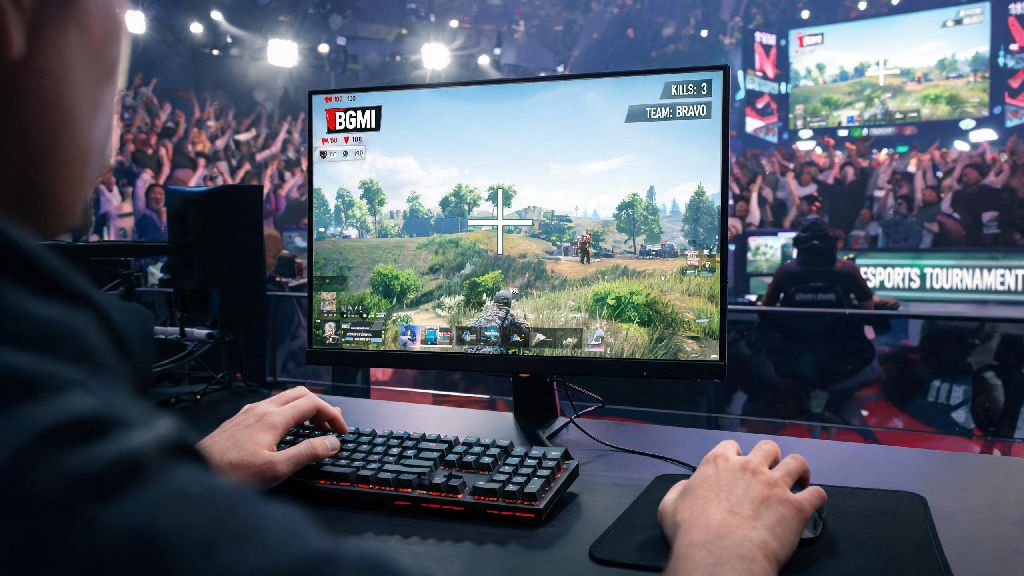
If you’ve spent 2026 grinding BGMI ranked matches and pulling off 1v4 clutches that make your squad scream, you’ve probably wondered how to join esports in BGMI at least once. The 2026 BGMI competitive ecosystem is bigger than ever, with national tournaments offering over $2.5 million in total prize pools and even semi-pro teams paying monthly stipends to new roster members. You don’t need fancy connections or a multi-year Conqueror track record to get started, either, as long as you follow the structured process most successful new pro players use.
First: Confirm You Meet 2026 BGMI Esports Eligibility Requirements
You can have the fastest reflexes in your region, but if you don’t meet the official 2026 BGMI esports eligibility rules, you won’t be allowed to compete in any official tournaments, even local scrims. Krafton updated its competitive ruleset in late 2025 to align with global esports standards, so a lot of old rules you might have seen from 2024 or earlier no longer apply. If you meet all these requirements, you’re already ahead of 60% of other players who are researching how to join esports in BGMI without checking the official rules first.
Most new players skip checking these rules first and waste months practicing only to find out they don’t qualify for the next round of tryouts. For example, I met a 15-year-old player last month who had a 4.2 K/D in Conqueror rank, but he had to wait another 9 months before he could even apply to his favorite local team. It’s a small step that saves you a lot of frustration later.
Step-by-Step Process for How to Join Esports in BGMI in 2026
The process isn’t as mysterious as many pro players make it sound, especially now that most teams post open tryout announcements on public platforms in 2026. You don’t need a fancy agent or connections to get your foot in the door, as long as you follow these steps consistently. Most players who are just starting out with how to join esports in BGMI make the mistake of skipping open scrims and applying directly to top-tier pro teams, which almost never works.
Start with open scrims first, not pro team tryouts. Open scrims are free, weekly competitive matches hosted by local tournament organizers, and they’re the best place to show off your skills to team scouts who regularly watch these matches to find new talent. Focus on placing top 3 in at least 5 consecutive open scrims before you even send an application to a semi-pro team, because that’s the first metric recruiters look for. The best part of open scrims is that even if you don’t get scouted, you’ll get experience playing against higher-level players than you’d face in regular ranked matches, which will make your gameplay better fast. The only downside is that some smaller scrim hosts don’t have anti-cheat enabled, so you might run into hackers occasionally, so stick to verified scrims to avoid that.
You can find a full calendar of verified 2026 open scrims across South Asia on the official BGMI esports community portal, which updates new tryout and scrim dates every Monday. Once you have your scrim results and highlight reel ready, send applications to teams that are actively recruiting for your preferred role (IGL, fragger, support, sniper). Don’t spam every team you find; tailor your application to each roster, mentioning specific matches you watched them play and how your skills would fill gaps in their current lineup.
If you get a tryout invite, show up 15 minutes early, test your mic and connection beforehand, and follow the IGL’s instructions during practice matches, even if you disagree with their calls. Tryouts test your coachability just as much as your gameplay skill, so being easy to work with will make you stand out from other players with higher K/Ds.
Key Skills Pro BGMI Teams Prioritize Over Raw Kill Count in 2026
A lot of new players assume that a 5+ K/D is all they need to get signed to a pro team, but that hasn’t been true for BGMI esports for years, and 2026 rosters are pickier than ever about soft skills that translate to consistent tournament wins. If you’re serious about figuring out how to join esports in BGMI, start practicing these skills before you send any applications.
First, map knowledge is non-negotiable, not just knowing where loot spawns, but knowing all possible rotation paths for every zone combination on Erangel, Miramar, and Vikendi, the three maps used for 90% of 2026 official tournaments. Pro players can predict where 70% of opposing teams will be located based on zone position alone, and that’s a skill you can practice by watching pro match VODs for 30 minutes a day.
Second, communication clarity is more important than being talkative. You don’t need to call out every single detail you see, but you need to give short, accurate calls that include enemy location, number of opponents, and their health status if you hit them. Teams hate players who ramble on comms and drown out important calls from other squad members. Third, adaptability is huge. 2026 BGMI has regular balance updates every 2 months, and the meta shifts fast, so teams want players who can switch roles, learn new guns, and adjust their playstyle in a week or less instead of clinging to old meta strategies that no longer work. For example, when the M416 got nerfed in the March 2026 update, half the semi-pro players in my region refused to switch to the new ACE32 meta, and they got dropped from their rosters within a month.
Common Mistakes to Avoid When Applying to BGMI Esports Teams in 2026
Even if you have the skills and meet all eligibility requirements, small mistakes can get your application tossed out immediately, and most of these mistakes are totally avoidable. Many new players who are learning how to join esports in BGMI make the mistake of sending generic applications to every team they see, which recruiters can spot instantly.
First, don’t lie about your rank, scrim results, or past bans. Teams run full background checks on all applicants, including checking your account history with Krafton, and if you lie about any detail, you’ll be blacklisted from all official tournaments in the region for at least 2 years. Honesty about your skill level and past mistakes will get you much further than exaggerating your achievements.
Second, don’t ignore team culture fit. If a team is known for its aggressive, push-heavy playstyle, and you’re a passive support player who prefers to hold back and loot, you won’t be happy there even if you get signed, and you’ll probably get dropped after a few bad tournament runs. Ask questions about the team’s practice schedule, expected playtime, and team values during your tryout interview to make sure it’s a good fit for you. Third, don’t give up after your first few rejected applications. Even top pro players like Jonathan got rejected from 7+ teams before they got their first break, and 2026 has more players competing than ever, so you might need to send 10 or more applications before you get a tryout invite. Keep practicing, keep joining scrims, and update your highlight reel every month with new clips, and you’ll get noticed eventually.
At the end of the day, learning how to join esports in BGMI in 2026 is equal parts skill, consistency, and knowing how to present yourself to recruiters. You don’t need to be the best player in the world to get signed, but you do need to put in the work to meet eligibility requirements, build a track record of solid scrim performances, and show teams that you’re a reliable, coachable player who will add value to their roster. If you start taking the steps we outlined today, you could be competing in your first official BGMI esports tournament by the end of the year.